Tile Roofs in Las Vegas: Why the Underlayment Matters
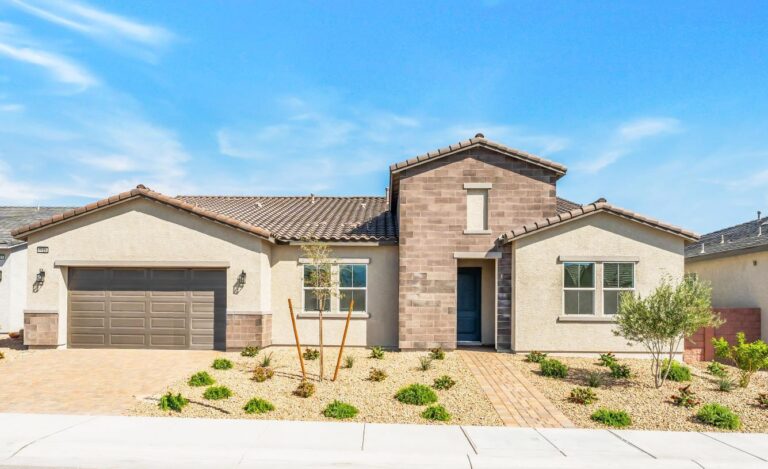
Tile roofs are one of the most recognizable features of homes throughout Las Vegas and Southern Nevada. Concrete and clay roof tiles are popular for their durability, appearance, and ability to withstand challenging weather conditions.
But there’s something many homeowners and homebuyers don’t realize: the roof tiles are only one part of the roofing system.
Beneath those tiles is a critical protective layer known as tile roof underlayment. While the tiles themselves may remain in good condition for decades, the materials underneath can age, deteriorate, or become damaged.
Understanding how these components work together can help Las Vegas buyers recognize why a roof’s appearance doesn’t always tell the complete story.
How Does a Tile Roof Work?
A typical residential tile roofing system consists of several components that work together to protect the home from the weather.
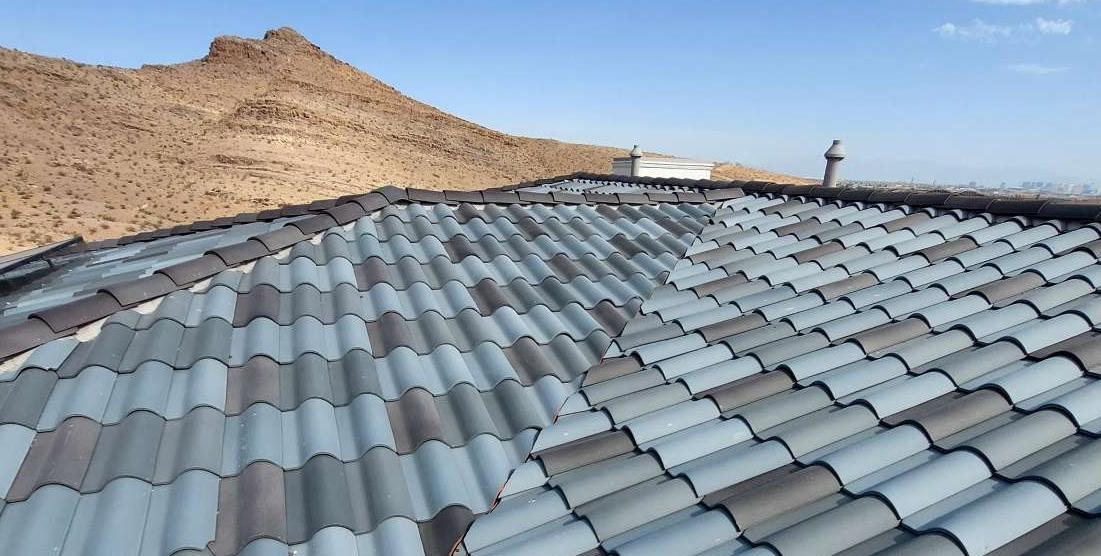
The visible concrete or clay tiles form the outermost covering. They shed most rainwater, help protect the materials underneath, and provide the familiar appearance seen throughout Las Vegas neighborhoods.
Beneath the roof tiles is the underlayment, which provides an important secondary layer of water resistance.
The underlayment is installed over the roof decking and works together with flashing, drainage components, and other roofing materials.
Roof tiles are designed to shed water, but they should not be considered a completely watertight barrier on their own.
Wind-driven rain and moisture can sometimes reach the area beneath the tiles. Properly installed underlayment and flashing help prevent that moisture from entering the roof structure.
What Is Tile Roof Underlayment?
Tile roof underlayment is a protective material installed between the roof decking and the exterior roof tiles.
Depending on the age of the roof, manufacturer specifications, and installation requirements, the underlayment may consist of asphalt-saturated felt, synthetic roofing materials, or other approved products.
Different underlayment products have different installation requirements, performance characteristics, and expected service lives.
When properly installed, this material helps direct moisture away from the roof decking and toward appropriate drainage locations.
Because underlayment is concealed beneath the roof tiles, its condition generally cannot be fully determined during an ordinary visual home inspection.
Why Does Underlayment Matter in Las Vegas?
Las Vegas experiences intense sunshine, prolonged summer heat, and occasional heavy rainstorms.
Although roof tiles can provide long-lasting exterior protection, roofing components beneath them are exposed to temperature fluctuations and other environmental conditions that contribute to aging.
Over time, some underlayment materials can become brittle, deteriorate, lose flexibility, or develop openings that compromise their ability to resist water intrusion.
The rate of deterioration depends on numerous factors, including the type of underlayment, installation quality, roof design, exposure, maintenance history, and environmental conditions.
There is no single replacement age that applies to every tile roof.
A roof that appears attractive from the street may still have concealed underlayment concerns, particularly if it is older or has a history of leakage.
Can Roof Tiles Outlast the Underlayment?
Yes. In some roofing systems, concrete or clay tiles may remain serviceable long after the underlayment beneath them has aged significantly.
This creates an important distinction between the condition of the visible roof covering and the condition of the complete roofing system.
A homeowner might look at the roof and see tiles that appear intact, correctly positioned, and free of obvious damage.
However, that visual appearance does not establish that the concealed underlayment remains in satisfactory condition.
When underlayment replacement becomes necessary, a roofing contractor may need to remove roof tiles to access the materials beneath them.
Depending on their condition and the roofing contractor’s evaluation, some existing tiles may be suitable for reuse, while others may need replacement.
Common Tile Roof Concerns Found During Home Inspections
During a residential home inspection, several visible conditions may indicate that roofing components require maintenance, correction, or further evaluation.
1. Cracked or Broken Roof Tiles
Roof tiles can become cracked or damaged from impact, foot traffic, installation issues, or other causes.
Damaged tiles may expose underlying materials to additional weathering and moisture.
2. Displaced or Slipped Tiles
Tiles that have shifted from their intended positions can create openings and expose portions of the roofing system that would ordinarily be protected.
Displaced tiles may also indicate concerns involving attachment methods, previous repairs, or installation quality.
3. Deteriorated or Questionable Flashing
Roof flashing helps manage water around penetrations, valleys, roof-to-wall intersections, and other vulnerable areas.
Damaged, displaced, poorly installed, or deteriorated flashing can increase the potential for moisture intrusion.
Flashing concerns are especially important around chimneys, plumbing vents, roof penetrations, and transitions between different roof surfaces.
4. Exposed or Damaged Underlayment
Although most underlayment is concealed, limited portions may sometimes be visible near roof edges, displaced tiles, or other accessible locations.
Visible deterioration, damage, or unusual exposure may warrant further evaluation by a qualified roofing contractor.
However, observing one accessible section does not establish the condition of underlayment throughout the entire roof.
5. Evidence of Previous Moisture Intrusion
Interior ceiling stains, deteriorated roof decking, discoloration, or other visible moisture-related conditions may indicate previous or ongoing roof leakage.
Not every stain represents an active leak, and the absence of visible staining does not guarantee that a roof is watertight.
Suspected leakage should be evaluated to determine the source and whether corrective action is necessary.
Can a Home Inspector Determine the Condition of the Underlayment?
One of the most important limitations of a standard home inspection is that concealed building components generally cannot be examined without removing materials.
During a visual roof inspection, accessible roof coverings, flashing, penetrations, and related components are evaluated for observable concerns.
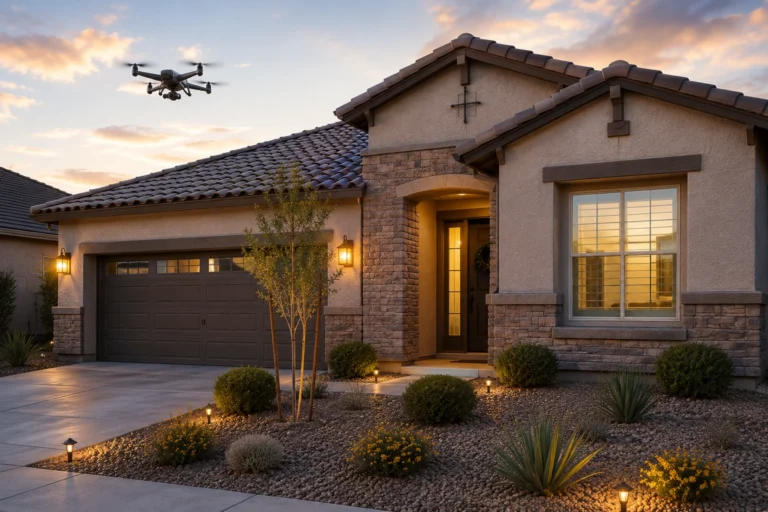
At Fruitful Home Inspections, drone photography may be used when conditions permit to help document roof areas that are difficult or unsafe to access directly.
Drone photography can provide useful views of visible roofing conditions, but it does not reveal the condition of concealed underlayment beneath intact tiles.
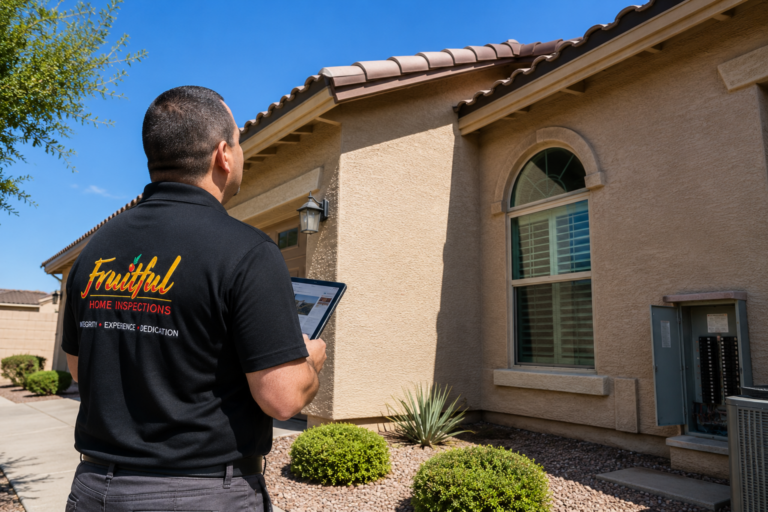
Because tile roofs can be fragile and walking on them may cause damage, an inspector may evaluate them from the ground, accessible ladder positions, or other suitable vantage points.
A visual home inspection does not certify that a roof is watertight, determine the remaining life of concealed underlayment, or guarantee against future leakage.
When roof age, visible deficiencies, or other concerns warrant additional assessment, evaluation by a qualified roofing contractor may be recommended.
Should You Replace the Underlayment on an Older Tile Roof?
The answer depends on the roof’s age, materials, condition, installation history, and any evidence of moisture intrusion.
Some roofs may need localized repairs, while others may require more extensive work involving the underlayment or additional roofing components.
Because underlayment is concealed, a roofing contractor may need to perform a more invasive evaluation to determine the extent of deterioration and the appropriate corrective work.
Homeowners should avoid assuming that every older tile roof requires immediate replacement. At the same time, the absence of obvious exterior damage shouldn’t be interpreted as proof that the entire roofing system is in excellent condition.
For additional information about industry installation practices, visit the Tile Roofing Industry Alliance installation guides.
What Should Las Vegas Homebuyers Know About Tile Roofs?
When buying a home with tile roofing, it’s helpful to consider more than the appearance of the tiles.
Ask about the roof’s age, previous repairs, known leaks, underlayment replacement, and any available roofing documentation.
If a seller indicates that the roof was replaced, clarify whether the work involved only the tiles, the underlayment, or the complete roofing system.
A professional home inspection provides information about readily observable roof conditions, while a qualified roofing contractor can provide specialized evaluation when necessary.
Understanding these limitations helps buyers make informed decisions without assuming that an attractive roof is automatically free of concerns.
Schedule Your Las Vegas Home Inspection
Fruitful Home Inspections provides professional residential home inspections throughout Las Vegas, Henderson, North Las Vegas, and surrounding Southern Nevada communities.
Our inspections include visual evaluation of accessible roofing components, detailed photography, and clear documentation of observed deficiencies.
When conditions permit, drone imaging is included at no additional charge to help document visible roof conditions from suitable vantage points.
Every inspection includes an easy-to-read, same-day digital report to help you understand the property’s observed condition.
Learn more about what we inspect or view our inspection pricing and availability.
Fruitful Home Inspections — 702-726-2026
Nevada Home Inspector License #IOS.0002922-RES